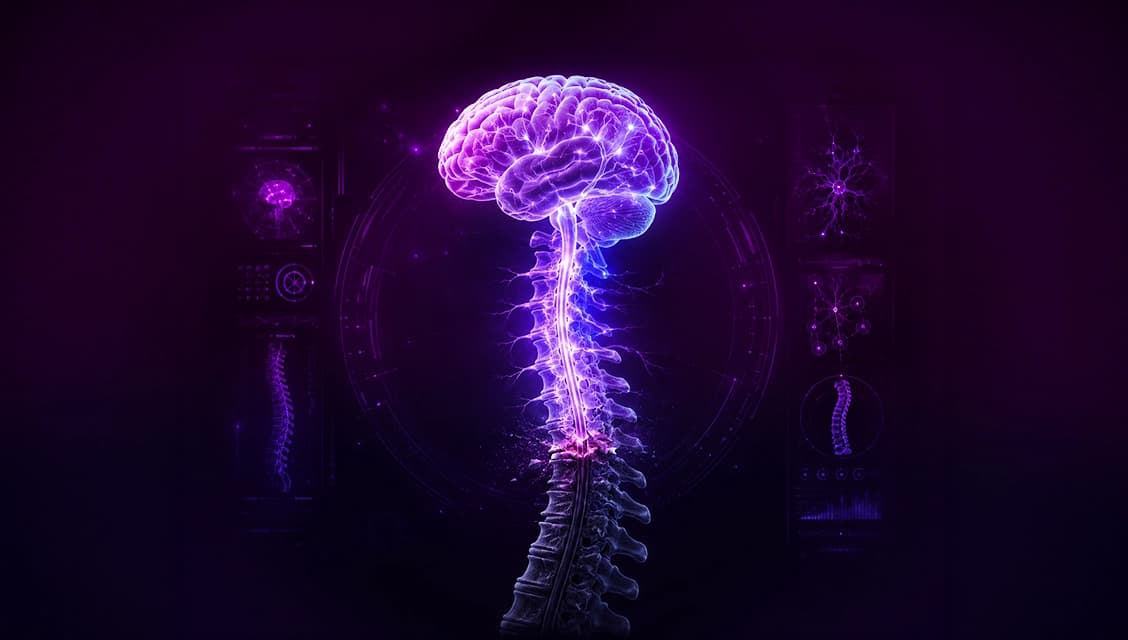
A spinal cord injury (SCI) is most commonly caused by road traffic accidents, falls from heights, or sports injuries. Depending on the severity and location of the injury, it can affect movement, sensation, and other essential body functions.
Symptoms of a Spinal Cord Injury
Weakness or loss of movement.
Numbness or tingling in the arms or legs.
Loss of sensation.
Difficulty controlling bladder or bowel function.
Severe neck or back pain following an injury.
How Is a Spinal Cord Injury Diagnosed?
A spinal cord injury is diagnosed through a thorough physical examination along with imaging studies such as a CT scan or MRI scan to determine the location and severity of the injury.
Treatment for Spinal Cord Injury
Treatment depends on the type and severity of the injury and may include spinal stabilization, medications, or spine surgery to relieve pressure on the spinal cord and stabilize the vertebrae when necessary. Rehabilitation and physical therapy are also essential parts of recovery.
Why Is Early Medical Care Important?
Prompt evaluation and treatment after a spinal cord injury can help preserve neurological function, reduce complications, and improve long-term recovery. If you experience severe neck or back pain, weakness, or numbness after an injury, seek immediate medical attention.