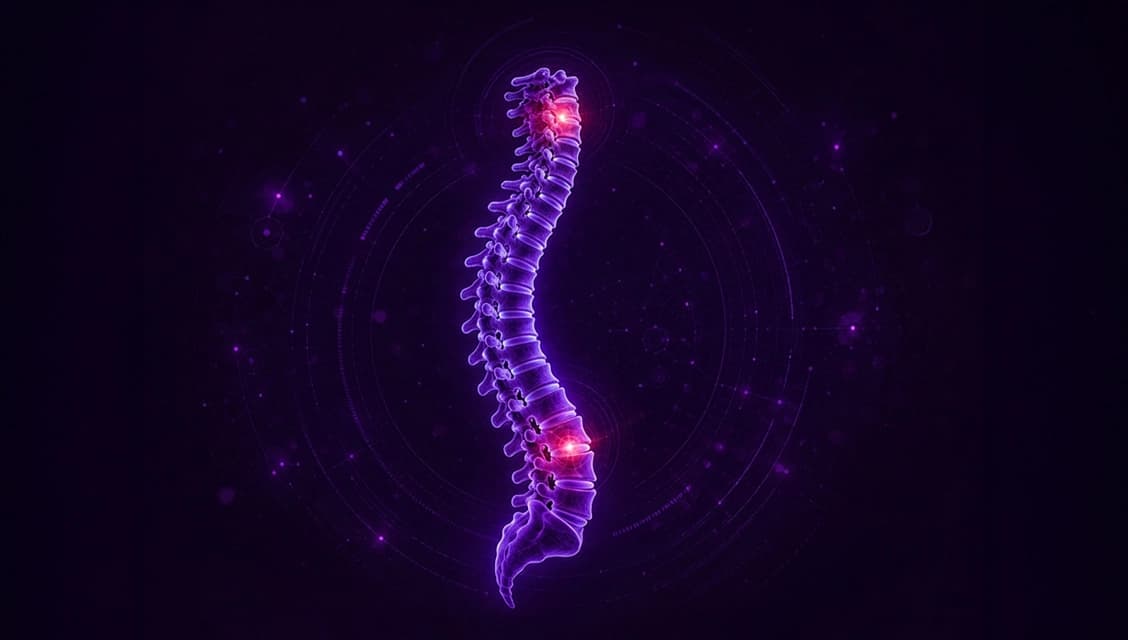
A herniated disc is one of the most common spinal disorders. It can affect the cervical spine (neck) or the lumbar spine (lower back), putting pressure on nearby nerves and causing symptoms that vary depending on the location of the herniated disc.
Symptoms of a Cervical Herniated Disc (Neck)
Neck pain.
Pain that radiates to the shoulder or arm.
Numbness in the hand or fingers.
Weakness in the arm or hand.
Difficulty performing certain movements.
Symptoms of a Lumbar Herniated Disc (Lower Back)
Lower back pain.
Pain that radiates down the leg (sciatica).
Numbness or tingling in the foot.
Weakness in the leg muscles.
Difficulty walking in some cases.
When Should You See a Neurosurgeon?
You should consult a neurosurgeon or spine surgeon if you experience severe weakness in your arms or legs, loss of bladder or bowel control, or persistent pain that does not improve with conservative treatment.
Treatment for a Herniated Disc
Most cases of a herniated disc can be treated without surgery through medications, physical therapy, and lifestyle modifications. However, some patients may require herniated disc surgery after a thorough medical evaluation by a neurosurgeon or spine specialist.